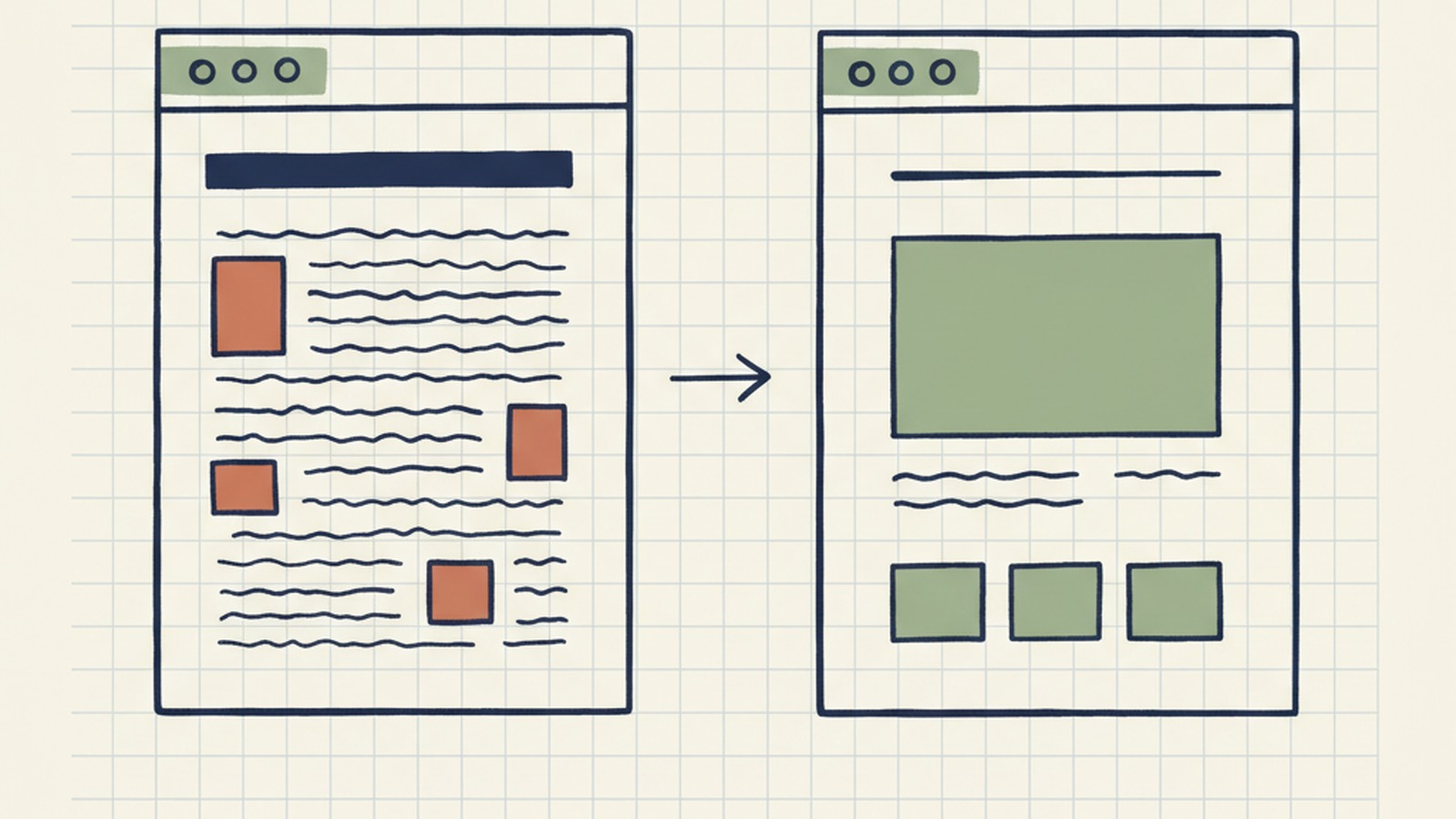
A seven-stage protocol for bilingual website redesigns
Seven stages my AI pipeline runs alongside me — deep research, content triage, new foundation, bilingual build, three-phase QA. A fourteen-page bilingual replacement, end-to-end, in a couple of hours.
What this could do for your organization
If your firm's website hasn't been touched since the last time someone said "we should update the site" in a meeting — still the template your web guy set up in 2012, mobile version broken, French version reading like it was translated twenty years ago — you've probably gotten a quote from a traditional agency: a long process of mockups and revisions before you see anything real, at a price that made the project stop right there. That's why the site hasn't moved.
This is the shape of what I do: I point a protocol at your existing site, and a couple of hours later I hand you a full bilingual rebuild on a private URL. You walk through it on desktop and on your phone, in both English and Quebec French, before you decide anything. The rebuild is the artifact — the real site, not a mockup.
The Quebec French side matters specifically: it's built by a dedicated evaluator that enforces the typography, vocabulary, and rhythm a Montreal reader can feel — not European French translated in the back office, not the machine-translated "French version" that most small-firm sites settle for. That's a trust signal for Quebec clients, and usually the thing a Montreal practice can't quite get out of a general web agency.
What your team gets back
A full bilingual replacement of your firm's website, on a private URL you can walk through before you commit. You see the copy, the new information architecture, the visual system, the mobile layout, the Quebec French — the whole thing complete, not a mockup. If you want changes, we make them and rerun the relevant stages. When you say go, it goes live at your domain on a CMS your team can manage day-to-day — so the small edits (phone numbers, bios, team changes, a new blog post, a tweak to a service description) don't need me. The protocol stays in reserve for the bigger jobs — a new section, a significant rewrite, a campaign landing that needs a matching visual language.
How I did it
A lot of Montreal firms are sitting on websites assembled from a template around 2012. They've been quoted by a traditional agency for a bilingual rebuild, they winced at the price, and the site has stayed dated ever since. The protocol below is what happens when each decision an agency would normally make in a meeting gets structured into a stage my AI pipeline runs — alongside me, not in place of me. End-to-end, a fourteen-page bilingual replacement takes a couple of hours.
Stage one is research. Before anything moves, the pipeline studies the firm and their peer landscape — what they do, who they serve, what makes them different, what visitors now expect from sites in their space.
Stage two is a full crawl and triage. Newsletter archives, useful link lists, content that has aged well — those stay. Everything else gets sorted into rework or rewrite. Nothing thrown away out of neglect, nothing preserved out of habit.
by page
Stages three, four, five — new look and feel, new information architecture, rewritten voice. All decided and locked before a single page builds. The rewrite sounds like the firm, not like every other professional services site two clicks away.
Stage six is the bilingual build. Both languages treated as equal partners. Quebec French is not European French translated down the hallway — a dedicated evaluator pass enforces the local typography, vocabulary, and rhythm that a Montreal reader can feel.
Stage seven is a three-phase QA gate. Every page passes a deterministic check, then an AI design review against a rubric I've tuned, then my own editorial pass — at desktop and at mobile, in both languages. The full gate stays proprietary. The point is that it's a gate, not a glance.
The reusable part is the protocol — the sequence of decisions, the rules behind each one, the gates between them. I can point it at any small professional-services firm's public site and hand you a full bilingual replacement on a private URL you can walk through before you decide. The rebuild is the artifact — the real site, not a mockup.
If you run a Montreal professional practice — accounting, law, notarial, insurance, dental, architectural, consulting — and your website is the template it came with in 2012, drop me a line. I'll point the protocol at your public site and build a full bilingual replacement on a private URL.
Related projects
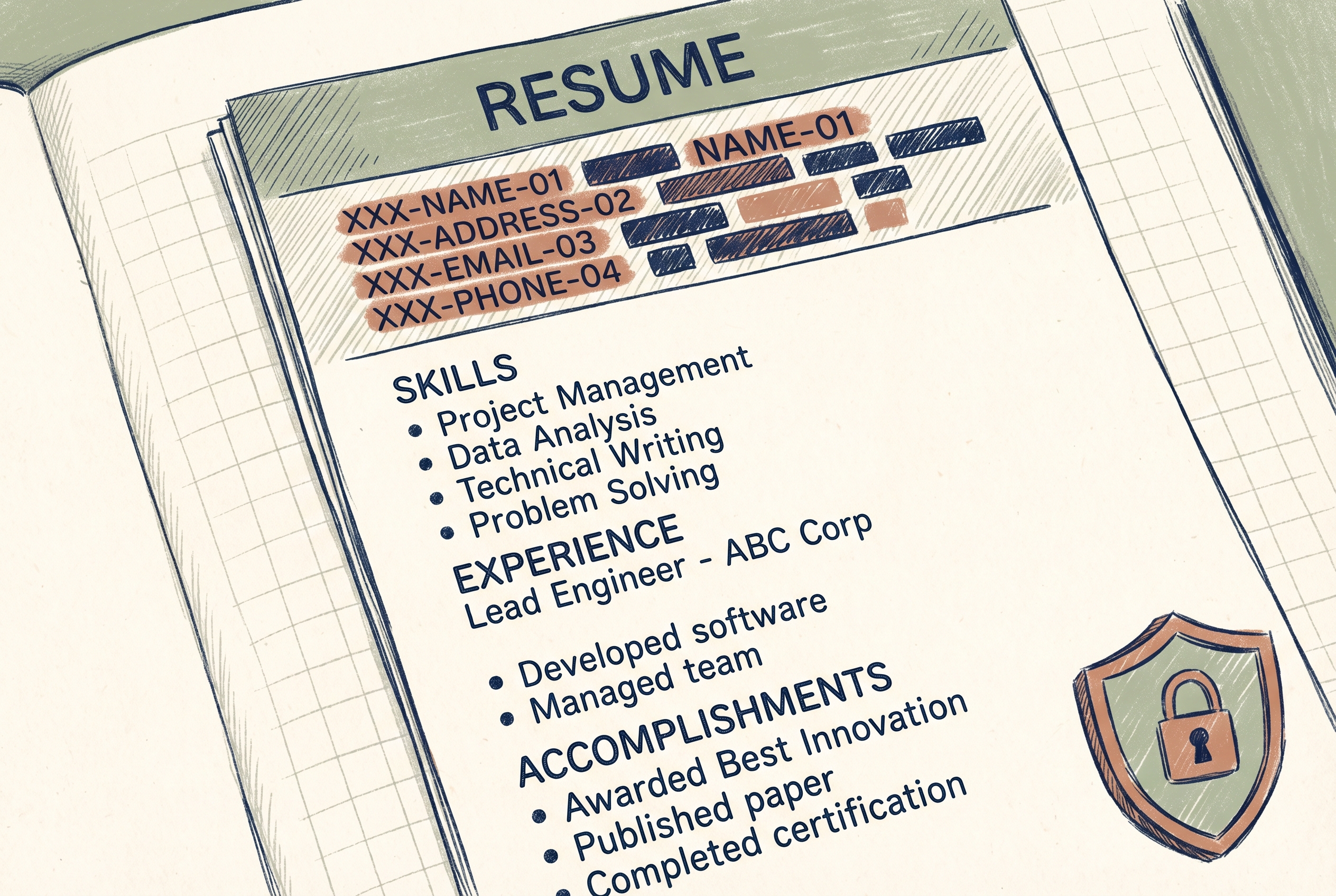
A CV anonymizer that strips identity before any AI reads it
Same "rules first, automation second" pattern, different document.
Read the story →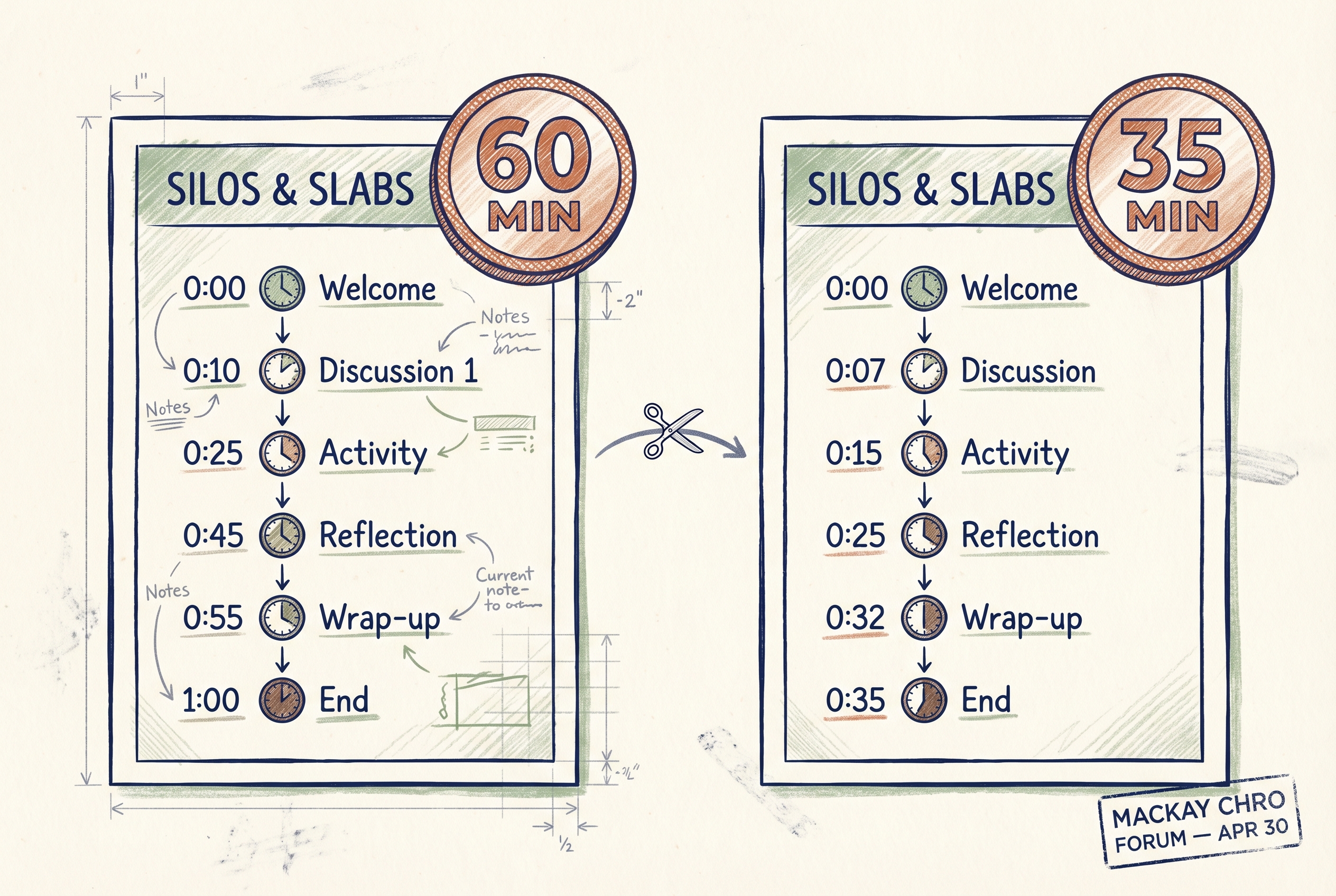
A training module, shortened on demand
Rules-first pipeline at the document level.
Read the story →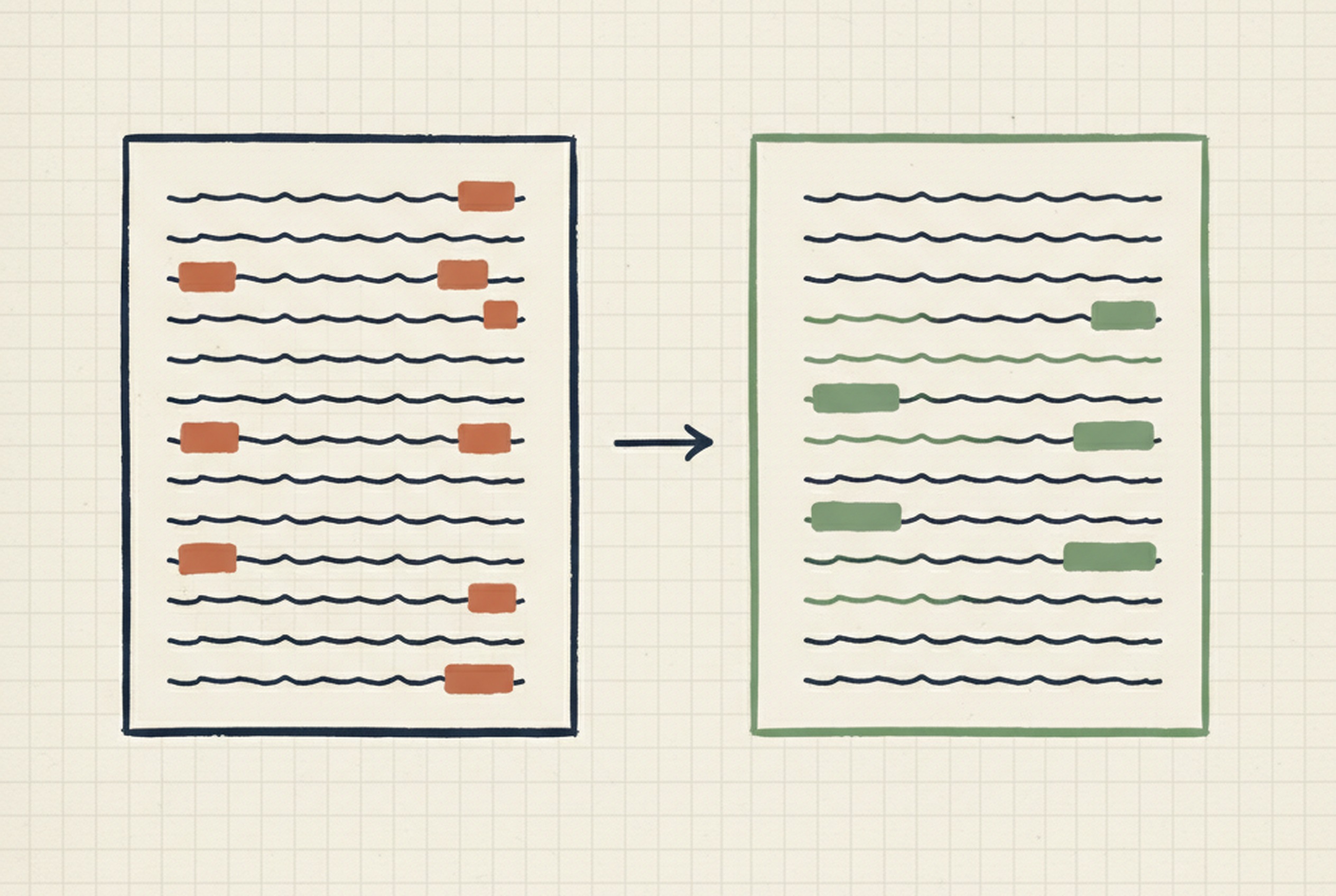
A transcript anonymizer that runs on your laptop
Another Quebec-specific problem turned into a repeatable tool.
Read the story →